
Building a Life Through Intentional Risk, Relationships, and Acquisition
So I did a series of 3 posts on my LinkedIn about my experience going to the SoCal ETA conference.
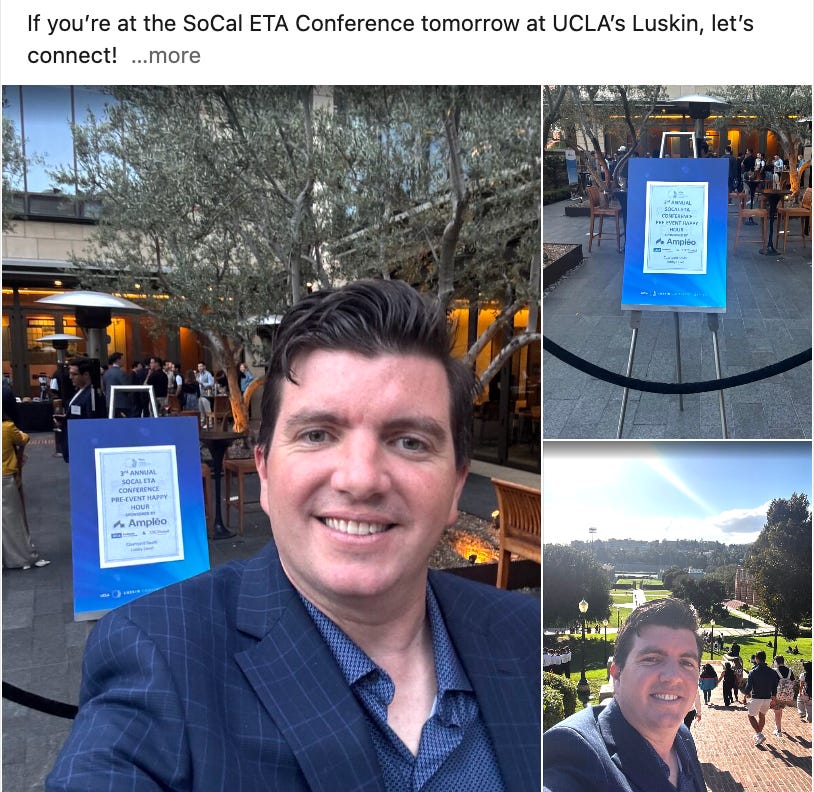
The event was led by Vic Hill—an exceptional operator and inspiring entrepreneur. While the SoCal ETA session wasn’t recorded, his podcast interview was, and it’s epic.
The podcast offers a rare, unfiltered look at what it actually takes to change the trajectory of your life—not through a single breakthrough moment, but through a series of intentional decisions. Vic Hill’s journey blends military discipline, entrepreneurial risk-taking, and deep self-reflection into a practical blueprint for growth. From getting rejected by MBA programs to leading acquisitions and building toward a fund, his story is less about credentials and more about mindset—raising your standards, surrounding yourself with the right people, and taking action before you feel fully ready.
1. Growth Is a Deliberate Upgrade of Your “Floor”
Vic frames success not as chasing the top, but raising the minimum standard of opportunity available to him:
“I always wanted to raise the lowest bar that I had available to me.”
Education, leadership, and experience become tools to increase optionality, not just credentials.
2. Entrepreneurship Through Acquisition (ETA) as a Practical Path
Rather than starting from zero, Vic pursued acquisition as a faster path into ownership:
“Worst that could happen is I end up where I started… and that’s not a bad [outcome].”
This mindset enabled him to move quickly—from learning to closing a deal within months.
3. The Power of Cold Outreach and Curiosity
His approach to networking was simple and highly effective:
“My approach was always like, ‘Hey, I love your story… would love to talk to you more about it.’”
By focusing on others rather than pitching himself, he built connections at scale.
4. “No Plan Survives First Contact”
From military experience, Vic applies a bias toward action:
“You have to make a plan and go iterate along the way.”
Execution—not perfection—is what drives progress in acquisitions and business building.
5. Introspection Is a Competitive Advantage
A major turning point came from stepping back and questioning direction:
“Where do I want to end up and why do I even want to end up there?”
This clarity allowed him to choose acquisition as a vehicle, not just an opportunity.
6. Relationships > Information
The most valuable outcome of the program wasn’t technical—it was human:
“If I can leave this program with a solid 20 to 30 people who I know, I trust… that to me is massively valuable.”
Deals, insight, and support all flow from trusted relationships.
7. Identity and Authenticity Matter in Leadership
A small but meaningful shift unlocked a bigger change:
“I don’t feel like myself… I’m kind of trying to fit this mold that is not entirely me.”
Leaning into authenticity improved both confidence and leadership presence.
8. Storytelling Through Numbers
Finance became powerful once reframed as narrative:
“It was my first time actually understanding storytelling through numbers.”
This skill directly impacts capital raising, acquisitions, and strategic decision-making.
9. Discipline Enables Risk
Balancing family, school, and business required structure:
“I haven’t given up my mornings… I do not give that up for anybody.”
Consistency in routines made high-risk moves sustainable.
10. Thinking Bigger After Exposure
The environment expanded not just capability—but ambition:
“I don’t know if I would have thought as big if it weren’t for the program.”
From one acquisition to a multi-company vision and fund, scale followed exposure.
The podcast reinforces a clear operating system for growth:
“Let’s just go… I’m taking advantage of everything.”
Learn quickly, act decisively, build relationships, and iterate forward.
At its core, the conversation reinforces that success is not a straight line—it is iterative, relational, and deeply personal. The combination of decisive action, strong networks, and a willingness to confront hard questions about identity and direction creates real leverage over time. Whether through acquiring businesses, building a career, or redefining priorities, the underlying message is consistent: choose a path, commit fully, and adjust as you go. The upside is not just financial—it is the ability to design a life on your own terms.
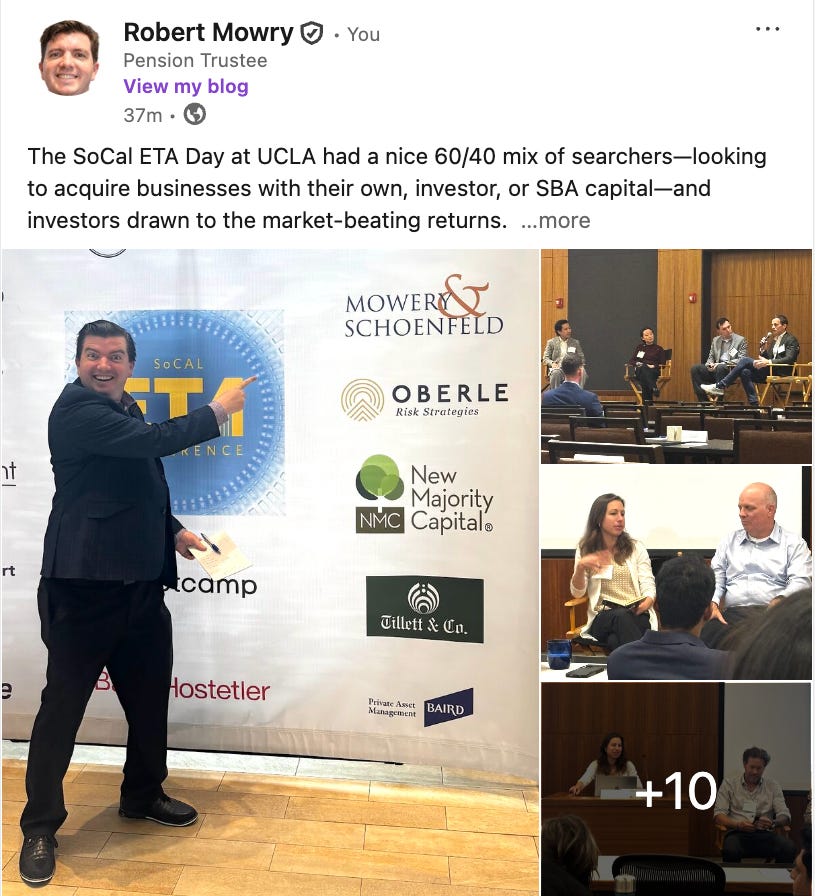
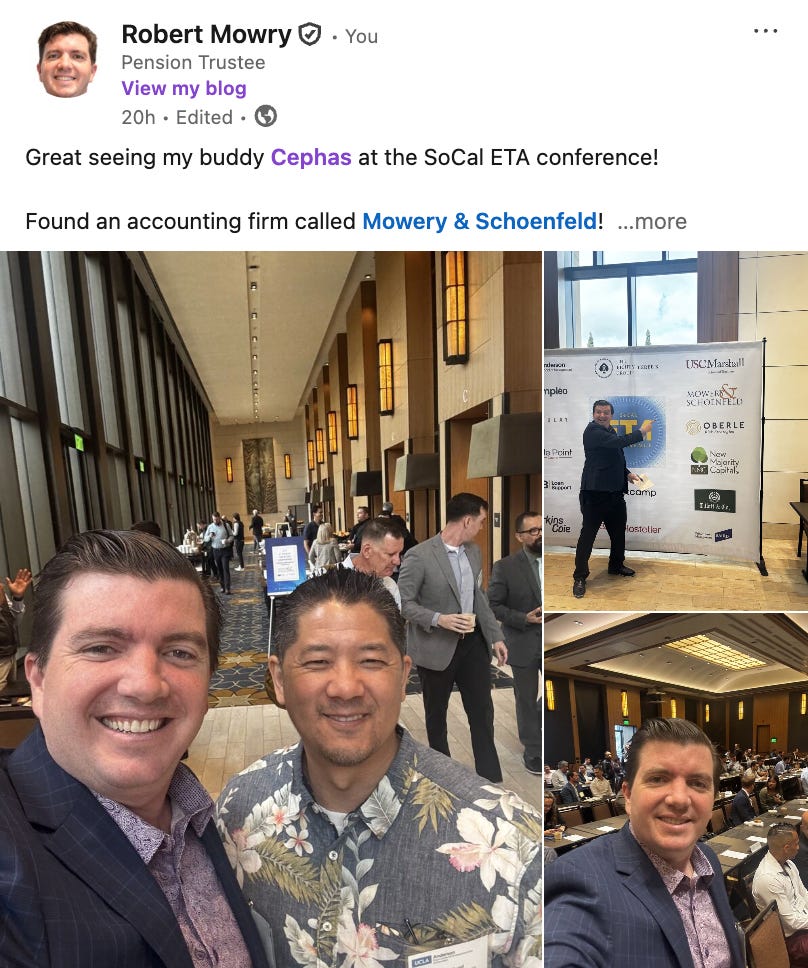
Here are 17 insights and some fun photos from SoCal ETA Day at UCLA
SBA 7(a) is still the default financing tool for sub-$2M EBITDA acquisitions. But competition has stiffened—the old formula of 10% equity down plus a 10% seller note is increasingly a floor, not a ceiling.
When buying a business, you’re acquiring both cash flow and problems—make sure they’re ones you’re willing to spend the next several years solving.
You learn more from one onsite visit than from 50 data room files.
The best deals often look a little messy. Clean books and tidy operations are usually priced accordingly.
At the end of the day, this is a people business. The operators who win are the ones who know how to build trust across the table—with sellers, employees, lenders, and investors.
If a seller is hiding something, it almost always surfaces in working capital, customer churn, or employee turnover.
Time kills deals—keep diligence moving or risk losing the seller, the financing, or both, as delays lead to fatigue, eroding terms, and broken deals.
You don't need to reinvent the company. Run it slightly better than it's been run, and compounding does the rest.
The first 12 months have one job: don't break the business. Stabilize, retain your key people, and resist the urge to optimize before you understand what you have.
Most of the value gets created a few years in—not on day one. EBITDA growth and debt paydown drive outcomes more reliably than betting on multiple expansion.
90% of searchers eventually acquire a brokered deal. Those processes have grown more auction-like by the year. Proprietary sourcing—direct mail, cold calls, niche targeting—still delivers the best pricing and deal structure.
Most small businesses have no real sales engine. Installing basic pipeline tracking and consistent follow-up can grow revenue meaningfully without changing anything else. That's what my buddy Art does.
The first deal is the hardest. After that, credibility compounds fast—with brokers, lenders, and sellers alike.
Rapport wins terms. In many cases, that means getting on a plane, sitting across from the seller, and telling some jokes to thaw them out.
90 days of real, hands-on help beats a passive 12-month consulting agreement.
Fundraising for a search fund requires projecting confidence in your ability to operate while being transparent that it’s your first time, and aligning with investors who act as mentors through inevitable rough patches rather than reacting to them.
Have coffee with both investors and searchers. Investors can offer advice and may back you if you execute, while even newer searchers are worth staying close to—many will go on to successful exits, buy into the model, and eventually become investors themselves.
Follow my search journey at QOF.com—running a self-funded search focused on technology upgrades to parking lots in Qualified Opportunity Zones across the Midwest.